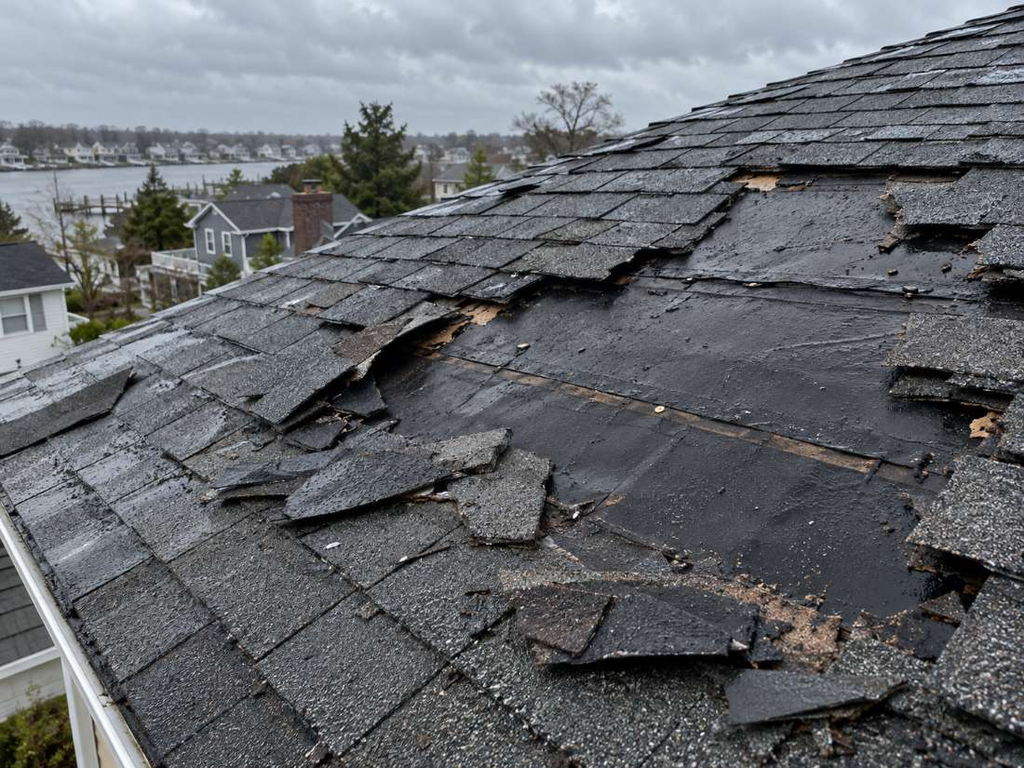
A nor’easter rips shingles off your roof at 2 a.m. By morning, water is dripping into the upstairs hallway. Your first worry is the leak. Your second worry is the bill.
Most homeowners file a roof claim only once or twice in their lives. So the process feels unfamiliar, and the paperwork feels heavy. This guide walks through each step in plain terms. It covers what to do first, what the adjuster looks for, and how the money usually moves.
One note before we start. This is general guidance from a roofing contractor, not legal or insurance advice. Your policy and your agent have the final word.
Step One: Stop the Water and Stay Safe
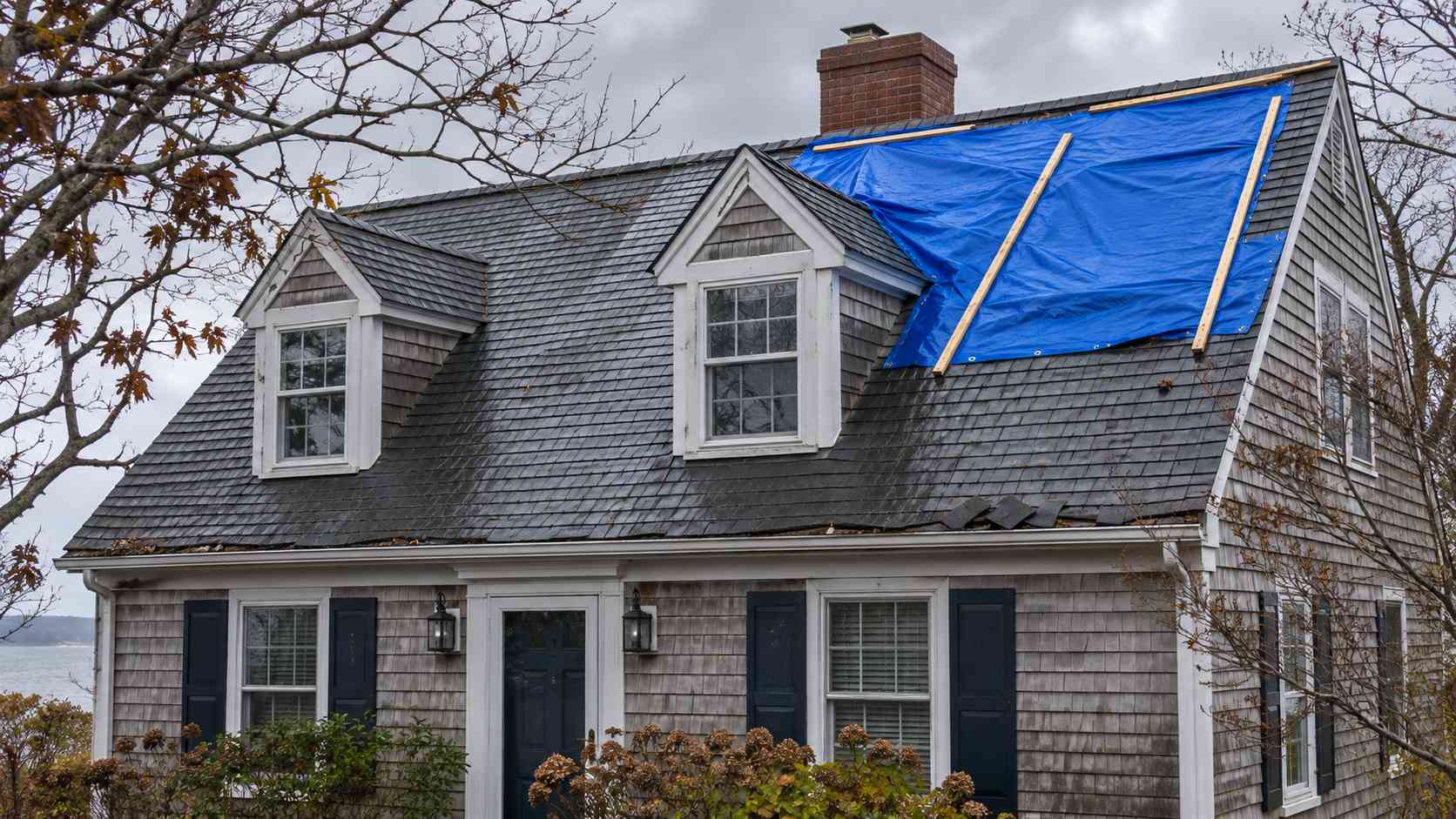
Insurers expect you to protect your home from further damage. Most policies say so in writing. If a hole sits open for a week, the insurer may refuse to pay for the extra water damage.
That makes a temporary fix the first priority. A roofer can patch the damaged area or secure a heavy tarp over it. Our crew handles emergency patching and tarping, and we move quickly when the call comes in. You can read more on our roof leak repair page.
Stay off the roof yourself. Wet shingles are slick, and storm damage can hide weak decking underneath. Keep every receipt for the tarp, the patch, and any water cleanup. Those costs are often part of the claim.
Step Two: Document Everything Before Repairs Begin
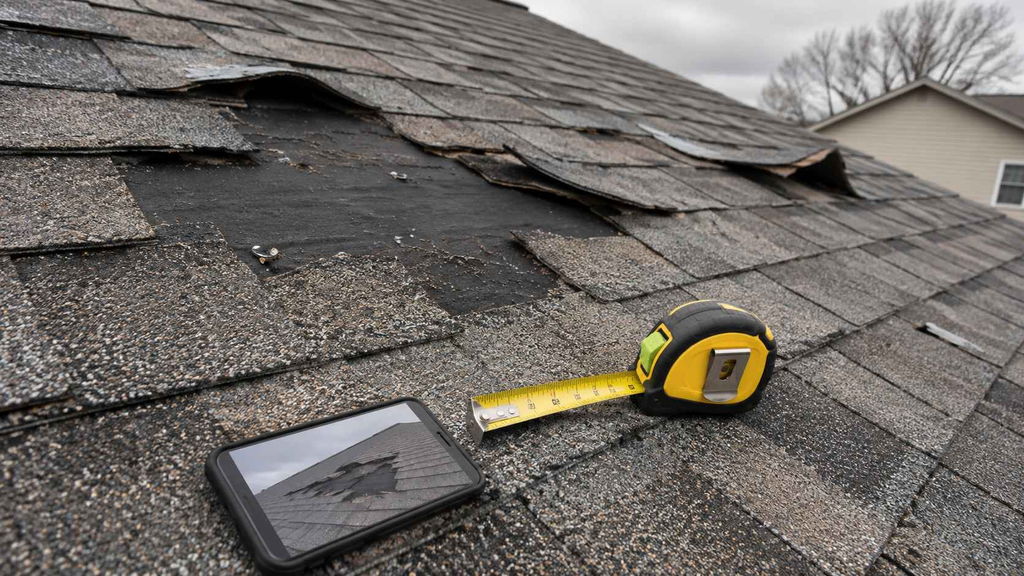
Good records make a claim go smoother. Start with photos and video taken from the ground. Capture missing shingles, bent flashing, and loose gutters. Then go inside and photograph water stains, wet insulation, and damaged ceilings.
Next, write down the date and time of the storm. Note when you first saw the damage. Save weather alerts or news reports about the storm, too.
A contractor’s inspection adds another layer. Wind can lift shingles and break their seal without tearing them off. That damage is hard to spot from the driveway. A written estimate with photos gives the adjuster a clearer picture of the full scope.
Step Three: Call Your Insurance Company Early
Report the damage as soon as you safely can. Most policies require prompt notice, and some set firm deadlines. While you have the claims representative on the phone, ask a few direct questions:
- What deductible applies to this storm?
- Do you need photos or an estimate before the adjuster visits?
- Does my policy pay replacement cost or actual cash value?
- How should I submit receipts for emergency repairs?
Write down your claim number and the name of everyone you speak with. You will need that claim number on every call and email.
Know Which Deductible Applies
Coastal homes in New Jersey often carry more than one deductible. A standard deductible is usually a flat dollar amount. A hurricane or windstorm deductible is often a percentage of your dwelling coverage. On a typical home, that percentage can reach several thousand dollars.
The type of storm often decides which deductible applies. Ask your agent how your policy treats a nor’easter compared with a named tropical storm. Getting that answer before hurricane season saves a surprise later.
Step Four: Meet the Adjuster
The insurance company will send an adjuster to inspect the damage. Some adjusters climb the roof. Others rely on drones or photos. Either way, try to be home for the visit.
Have your photos, receipts, and contractor estimate ready. Walk the adjuster through the interior damage, too. Leaks often show up inside long before they look serious outside.
After the visit, the insurer will send a written estimate. Read it line by line. Then compare it with your contractor’s estimate. Look for missing items such as drip edge, underlayment, flashing, or ventilation.
What If the Numbers Don’t Match?
Small gaps are common. Adjusters sometimes miss damage or price materials differently. You can ask the insurer to review a supplemental estimate with added photos. Many differences get settled that way.
For bigger disputes, you can hire a public adjuster. New Jersey licenses public adjusters to represent homeowners on claims. A roofer can document damage and price the repair. However, a roofer should not negotiate your claim for you.
Step Five: Understand How the Payment Works
Roof claim payments often arrive in more than one check. The details depend on your policy type.
Replacement Cost Coverage
With a replacement cost policy, the first check usually covers the depreciated value of the roof. The insurer holds back the rest. Once the work is finished, you send the final invoice. The insurer then releases the held-back amount, minus your deductible.
Actual Cash Value Coverage
An actual cash value policy pays the depreciated value only. An older roof is worth less on paper, so the payment may be smaller. In that case, the gap between the check and the repair cost falls on you. Our financing options for exterior projects can help cover that difference.
If you have a mortgage, the check may also list your lender. Call your lender early and ask how they handle endorsements.
Repair or Replace After a Storm?
Not every storm calls for a new roof. A few missing shingles on a newer roof can often be repaired. Widespread damage on an aging roof is a different story. Our post on the 25% roof rule explains how New Jersey code can affect that choice.
An honest contractor will tell you which way the evidence points. We show homeowners the damage in photos and explain the options without pressure. You make the final call with your insurer. Learn more about our full roofing services.
Watch for Storm Chasers
Out-of-town crews follow big storms up and down the Jersey Shore. Some knock on doors, promise to “handle the insurance,” and ask for a large deposit. Others disappear once the check clears.
A few simple checks protect you. Confirm the contractor’s New Jersey home improvement registration. Ask for proof of insurance and a written contract. Our guide to hiring a storm damage roofer covers each step in detail.
Don’t Forget the Rest of the Exterior
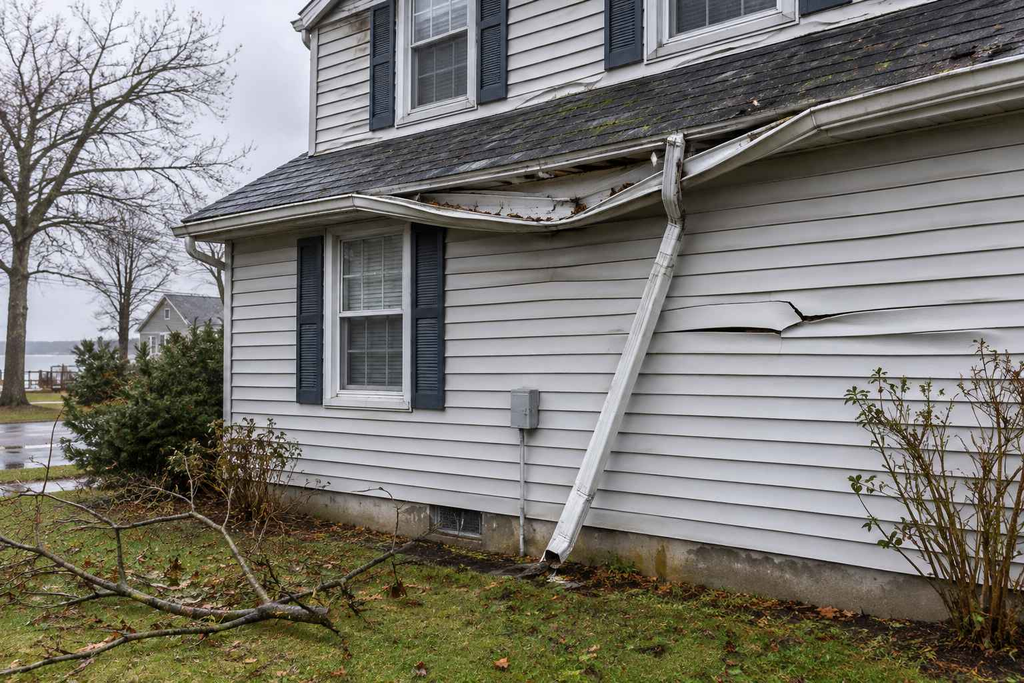
Wind-driven rain and flying debris rarely stop at the shingles. Storms bend gutters, crack vinyl siding, and loosen skylight flashing. List those items in your claim from the start. Adding them weeks later can slow everything down.
Because we handle the full exterior, one inspection can cover it all. That includes gutters, siding, and skylights. For storm prep before the next big blow, see our nor’easter roof repair guide.
Why Homeowners Call All Around CC After a Storm
All Around Construction Contractors has served Bayville and the surrounding towns since 2008. We are fully licensed and insured under NJHIC #13VH04820700. We hold an A+ rating with the Better Business Bureau. We are also a GAF Certified Plus roofing contractor.
After a storm, we patch or tarp to stop the leak. Next, we inspect the full exterior and photograph what we find. Then we give you a clear written estimate to share with your insurer. You can read what local homeowners say on our testimonials page.
Schedule a Storm Damage Inspection
Storm damage gets worse the longer it sits. Call (732) 840-9494 for emergency patching or tarping. For a free inspection and estimate, contact us online. We will help you understand the damage before you talk to your insurer.