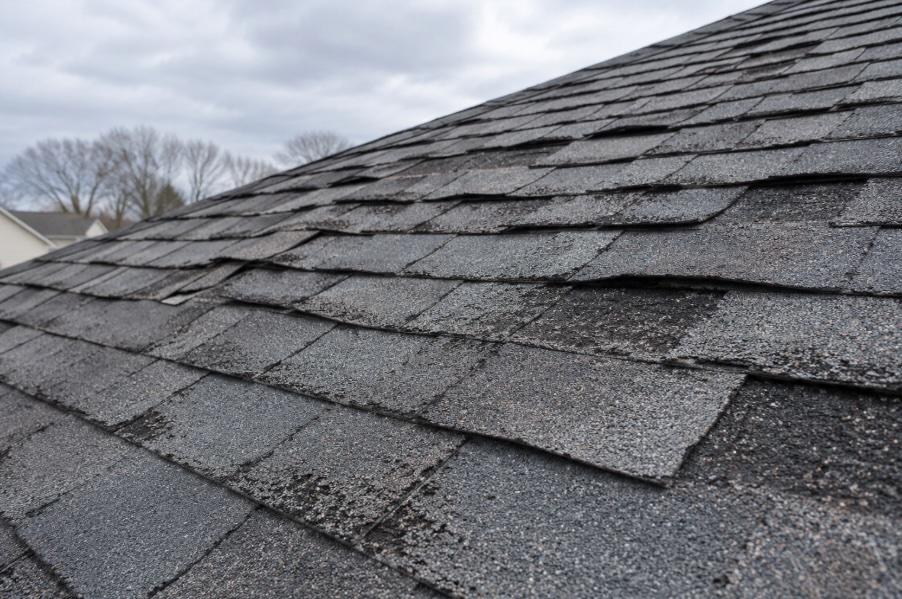
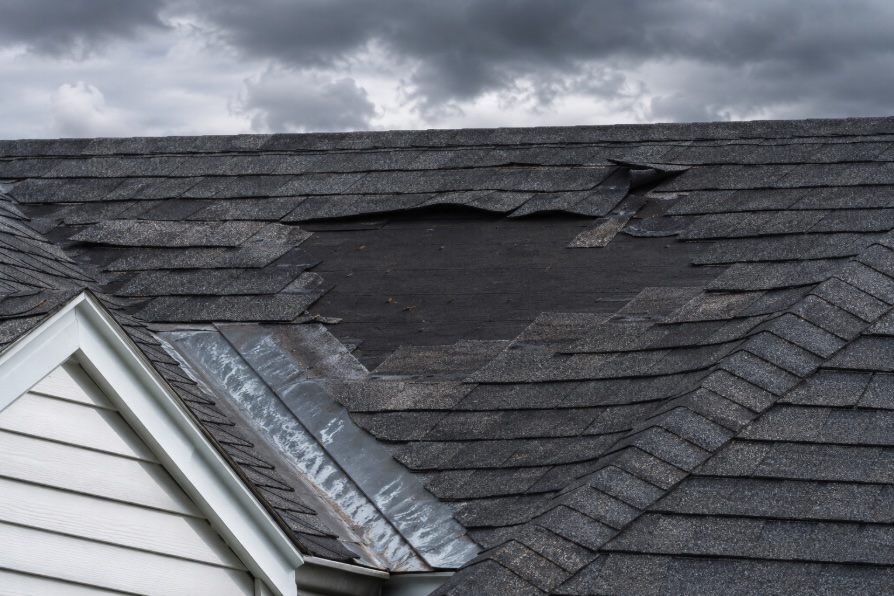
Most homeowners have never heard of the 25% roof rule until a contractor mentions it during an inspection.
This single guideline can determine whether a repair is simple or whether it triggers a full roof replacement under state code. Understanding it before storm season protects your wallet and your home.
What Is the 25% Roof Rule
The 25% rule is a construction code standard used across the roofing industry. It states that when damage or wear affects more than 25 percent of a roof surface within a 12-month period, the entire roof section generally must be brought up to current code. A single repair session and multiple smaller repairs both count toward that 12-month total.
This is not just an industry guideline. It has a real regulatory basis under New Jersey building code, and it shapes decisions insurance adjusters and contractors make every day.
How the Rule Works Under New Jersey Code
New Jersey follows the Uniform Construction Code, which classifies certain roofing work as ordinary maintenance. Repairing existing roofing material on less than 25 percent of the total roof area within any 12-month period typically falls under this exemption and does not require a permit.
Cross that 25 percent threshold, and the picture changes. A permit generally becomes necessary, and the work must meet current code requirements rather than simply matching what was there before. That can mean updated underlayment, proper flashing, or ventilation upgrades depending on the scope of the project.
The rule also applies cumulatively. Three separate repairs on the same roof within a year can add up to more than 25 percent of the surface, even if no single repair looked significant on its own. Homeowners who patch the same roof repeatedly should ask their contractor to track the cumulative damage.
Why This Matters for Repair Decisions
A roofer weighing repair against replacement uses this threshold as a practical guide, not just a legal one. Isolated damage on a roof under 15 years old is usually a straightforward repair. Damage spread across a quarter of the roof, or recurring problems in different sections, points toward full replacement instead.
Continuing to patch a roof that has crossed this line rarely saves money. It often delays a replacement that current damage patterns already justify, and it can leave sections of the roof out of compliance with today’s building standards.
Insurance Claims and the 25% Rule
Insurance companies apply similar logic when evaluating storm damage claims. Adjusters assess what percentage of the roof sustained damage from a covered event. When that assessment crosses 25 percent, many policies shift from a partial repair payout to a full replacement approval.
This is general guidance, not insurance or legal advice. Every policy reads differently, and adjusters interpret damage assessments case by case. Homeowners filing a claim should request a written copy of the adjuster’s damage assessment and ask directly how the 25 percent threshold applies to their policy.
Why Ocean County Roofs Cross This Threshold Faster
Homes along the Jersey Shore face conditions that push roofs toward that 25 percent mark faster than homes further inland. Salt air accelerates corrosion on flashing, fasteners, and gutter systems. Nor’easters and coastal wind events routinely strip shingles across wide sections of a roof rather than in one isolated spot.
Freeze-thaw cycles each winter contribute to ice damming, which can damage roof edges and underlayment over multiple storms in a single season. A roof that loses shingles in a January nor’easter and again in a February storm can reach the 25 percent threshold from two separate events.
This is one reason routine inspections matter so much for coastal New Jersey properties. A preventative roof inspection after each major storm gives homeowners an accurate damage percentage before small problems accumulate into a mandatory full replacement.
What to Do If Your Roof Approaches the Threshold
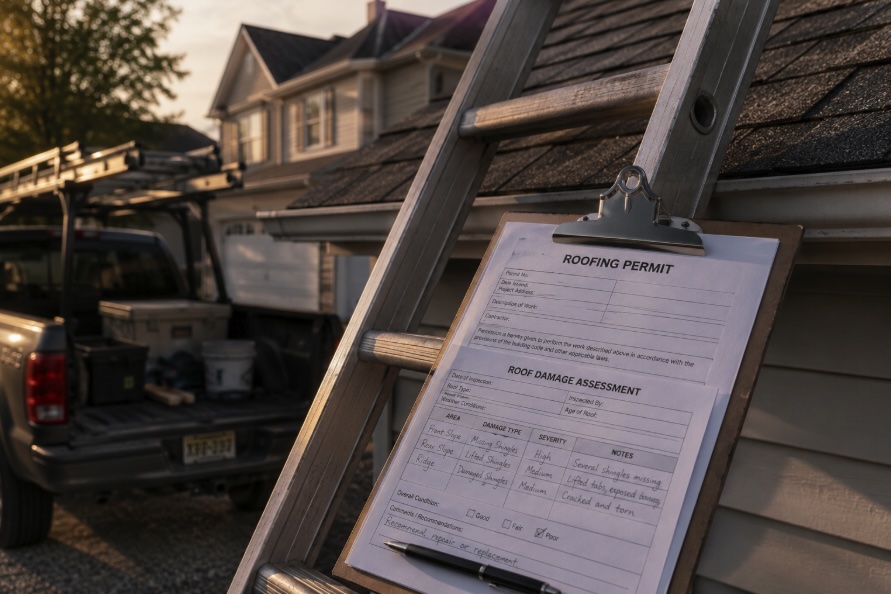
Start by getting a written damage assessment from a licensed contractor. A precise percentage, not a rough guess, is what your insurance company and the local building department will want to see.
Ask your contractor to check municipal permit records if your roof has been repaired more than once in the past year. Local building departments keep this history, and it matters when calculating whether your project has crossed the cumulative 25 percent line.
Request an itemized repair history from any contractor who has previously worked on your roof. This documentation protects you during a future home sale and supports any insurance claim tied to storm damage.
When Repair Still Makes Sense
Not every roof near the threshold needs full replacement. A newer roof with isolated, well-documented damage below 25 percent can often be repaired correctly and left in good standing. The key is accurate measurement rather than assumption.
Trust a Licensed New Jersey Roofing Contractor
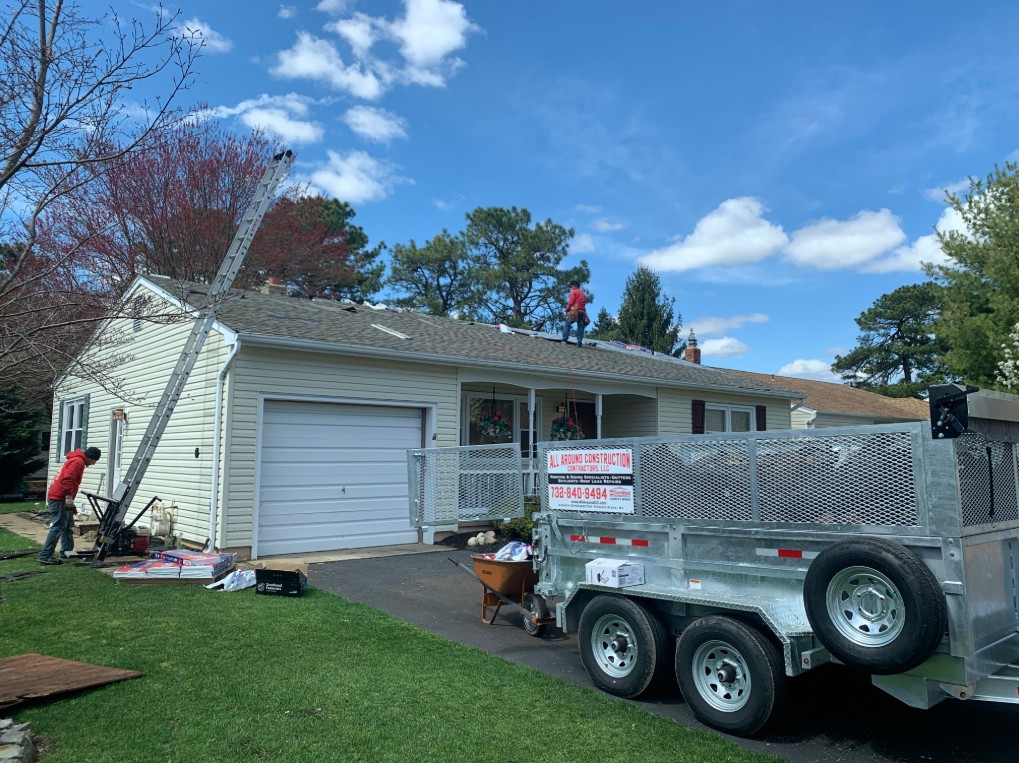
All Around Construction Contractors has handled repair and replacement projects across Ocean County long enough to know how local weather pushes roofs toward code thresholds. Our team is fully licensed and insured under NJHIC #13VH04820700, and we hold GAF Certified Plus™ certification for the systems we install.
If a storm has left your roof with scattered damage, do not wait for a small problem to become a code-mandated full replacement. Our roof leak repair team can assess the percentage of your roof affected and explain your options in plain terms.
Homeowners weighing the cost of a larger replacement project can also review our financing options before making a decision.
Contact us for a free estimate and an honest assessment of where your roof stands under current code.